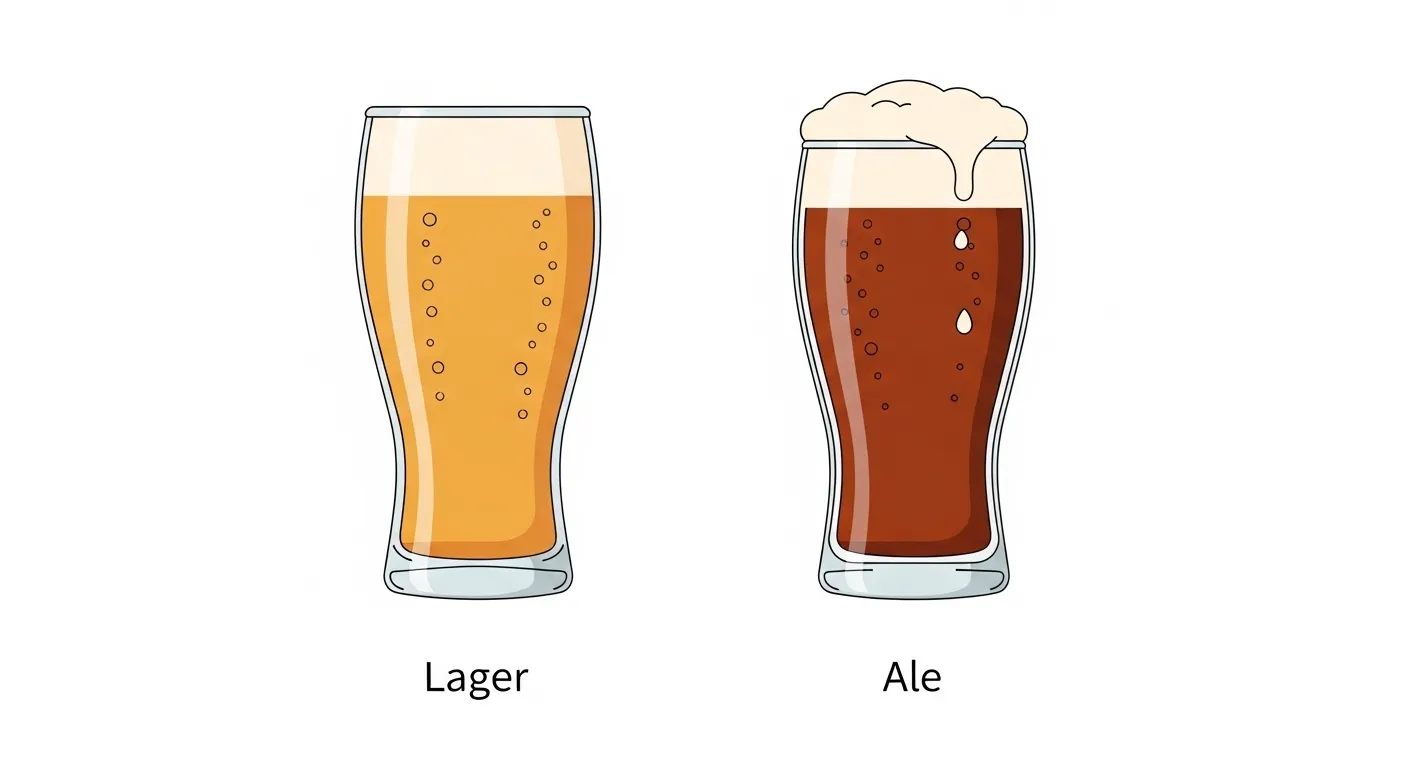
🍺 Lager is smooth and crisp, while ale is richer and more flavorful.
One weekend, two friends visited a small restaurant. One friend ordered a lager, and the other ordered an ale. The waiter smiled and said both drinks were types of beer, but they were made in different ways. The friends became curious. They wanted to know the difference between lager and ale.
Beer lovers often talk about these two styles. The difference between lager and ale mainly comes from the type of yeast and the brewing process. Learning the difference between lager and ale helps people understand beer culture and brewing traditions. The difference between lager and ale also explains why their taste, aroma, and texture are not the same.
🔑 Key Difference Between the Both
The main difference is simple.
Lager: Made with bottom-fermenting yeast and brewed at cooler temperatures.
Ale: Made with top-fermenting yeast and brewed at warmer temperatures.
🌍 Why Their Difference Is Important for Learners and Experts
Understanding the difference helps drinkers choose flavors they enjoy. Brewing students learn how fermentation works through these styles. Experts and brewers also use this knowledge to create different beer varieties. In society, beer culture, hospitality, and food industries often depend on understanding these brewing styles.
🔊 Pronunciation
Lager
- US: /ˈlɑːɡər/
- UK: /ˈlɑːɡə/
Ale
- US: /eɪl/
- UK: /eɪl/
Now let us explore the difference between lager and ale step by step.
⚖️ Difference Between Lager and Ale
1. Type of Yeast
Lager: Uses bottom-fermenting yeast.
Examples:
- Traditional German lager brewing.
- Czech pilsner brewing.
Ale: Uses top-fermenting yeast.
Examples:
- English pale ale.
- Belgian ale.
2. Fermentation Temperature
Lager: Fermented at cooler temperatures.
Examples:
- Brewed in cold cellars.
- Stored in cool tanks.
Ale: Fermented at warmer temperatures.
Examples:
- Brewed in warm rooms.
- Fermentation happens faster.
3. Brewing Time
Lager: Takes longer to brew.
Examples:
- Weeks of cold storage.
- Longer fermentation period.
Ale: Brews faster.
Examples:
- Short fermentation time.
- Ready to drink sooner.
4. Taste Profile
Lager: Usually clean and crisp.
Examples:
- Light refreshing taste.
- Smooth flavor.
Ale: Often rich and fruity.
Examples:
- Strong aroma.
- Bold taste.
5. Color Range
Lager: Often pale or golden.
Examples:
- Light golden lager.
- Pale pilsner.
Ale: Wide color range.
Examples:
- Amber ale.
- Dark stout.
6. Popular Regions
Lager: Very popular in Europe and worldwide.
Examples:
- German beer culture.
- Czech beer traditions.
Ale: Traditionally popular in Britain.
Examples:
- English pubs.
- British brewing history.
7. Alcohol Content
Lager: Usually moderate alcohol level.
Examples:
- Light lager beer.
- Standard pilsner.
Ale: Often slightly stronger.
Examples:
- Strong IPA.
- Belgian ale.
8. Brewing Tradition
Lager: Became popular later in brewing history.
Examples:
- Developed in Central Europe.
- Modern brewing style.
Ale: One of the oldest beer types.
Examples:
- Medieval European brewing.
- Traditional English brewing.
9. Aroma
Lager: Mild aroma.
Examples:
- Clean smell.
- Subtle fragrance.
Ale: Strong aroma.
Examples:
- Fruity smell.
- Spicy notes.
10. Storage Method
Lager: Stored in cold conditions.
Examples:
- Cold caves.
- Refrigerated tanks.
Ale: Does not require cold storage during fermentation.
Examples:
- Room temperature fermentation.
- Traditional brewery rooms.
⚙️ Nature and Behaviour of Both
Nature of Lager
Lager is smooth, crisp, and refreshing. It often has a lighter taste and clear appearance.
Nature of Ale
Ale is bold and flavorful. It often has fruity notes and stronger aroma.
❓ Why People Confuse Lager and Ale
Many people confuse these drinks because both are types of beer. They are served in similar glasses and appear in bars and restaurants together. Since the differences happen during brewing, beginners may not easily notice them.
📊 Difference and Similarity Between Lager and Ale
| Feature | Lager | Ale | Similarity |
| Yeast type | Bottom-fermenting | Top-fermenting | Both are beer |
| Temperature | Cool fermentation | Warm fermentation | Both use yeast |
| Taste | Crisp and smooth | Rich and fruity | Both alcoholic drinks |
| Brewing time | Longer | Shorter | Both brewed beverages |
🎯 Which Is Better in What Situation?
Lager
Lager is better for people who enjoy light and refreshing drinks. It works well during warm weather or casual meals. Many restaurants serve lagers because they match many foods.
Ale
Ale is better for people who like strong flavor and aroma. It is popular among craft beer fans. Ales often pair well with rich meals and cooler weather.
🧠 Lager and Ale in Metaphors and Similes
Lager metaphor
Example:
- His calm attitude was as smooth as a lager.
Ale metaphor
Example:
- Her personality was bold like a strong ale.
🎭 Connotative Meaning
Lager
Neutral or positive meaning.
Example:
- The cold lager refreshed everyone at the party.
Ale
Often linked with tradition and culture.
Example:
- The old pub served classic English ale.
💬 Idioms or Proverbs Related
“Small beer.”
Example:
- Compared to his success, the problem was small beer.
“Drink to good health.”
Example:
- Friends raised their glasses to drink to good health.
📚 Works in Literature
- The Oxford Companion to Beer Reference book, Garrett Oliver, 2011
- Beer: Tap Into the Art and Science of Brewing Brewing book, Charles Bamforth, 2003
- The World Atlas of Beer Beverage guide, Tim Webb & Stephen Beaumont, 2012
🎬 Movies Related to Beer or Brewing
- Beerfest (2006, USA)
- Strange Brew (1983, Canada)
- The World’s End (2013, UK)
❓ Frequently Asked Questions
1. What is the main difference between lager and ale?
The main difference is the yeast type and fermentation temperature.
2. Which tastes stronger?
Ale often has stronger flavor.
3. Which one is more refreshing?
Lager is usually lighter and more refreshing.
4. Are both types of beer?
Yes, both lager and ale are beer styles.
5. Which is older?
Ale is historically older than lager.
🌱 How Lager and Ale Are Useful for Surroundings
Lager and ale support hospitality industries such as restaurants, pubs, and tourism. They are part of cultural traditions and social gatherings. Brewing industries also create jobs and support local economies.
🏁 Final Words for Both
Lager represents a smooth, cool-fermented beer with crisp flavor.
Ale represents a warm-fermented beer with bold taste and aroma.
Both drinks are important parts of global brewing culture.
🧾 Conclusion
The difference between lager and ale mainly depends on the yeast type and fermentation temperature used during brewing. Lager uses bottom-fermenting yeast and cooler conditions, creating a smooth and crisp drink. Ale uses top-fermenting yeast and warmer temperatures, producing a richer and stronger flavor.
Understanding the difference between lager and ale helps beer lovers, students, and brewers appreciate the diversity of beer styles. if someone prefers the refreshing taste of lager or the bold flavor of ale, both drinks play an important role in global brewing traditions.
Read more about!
Difference Between Bake and Roast: Simple Cooking Guide