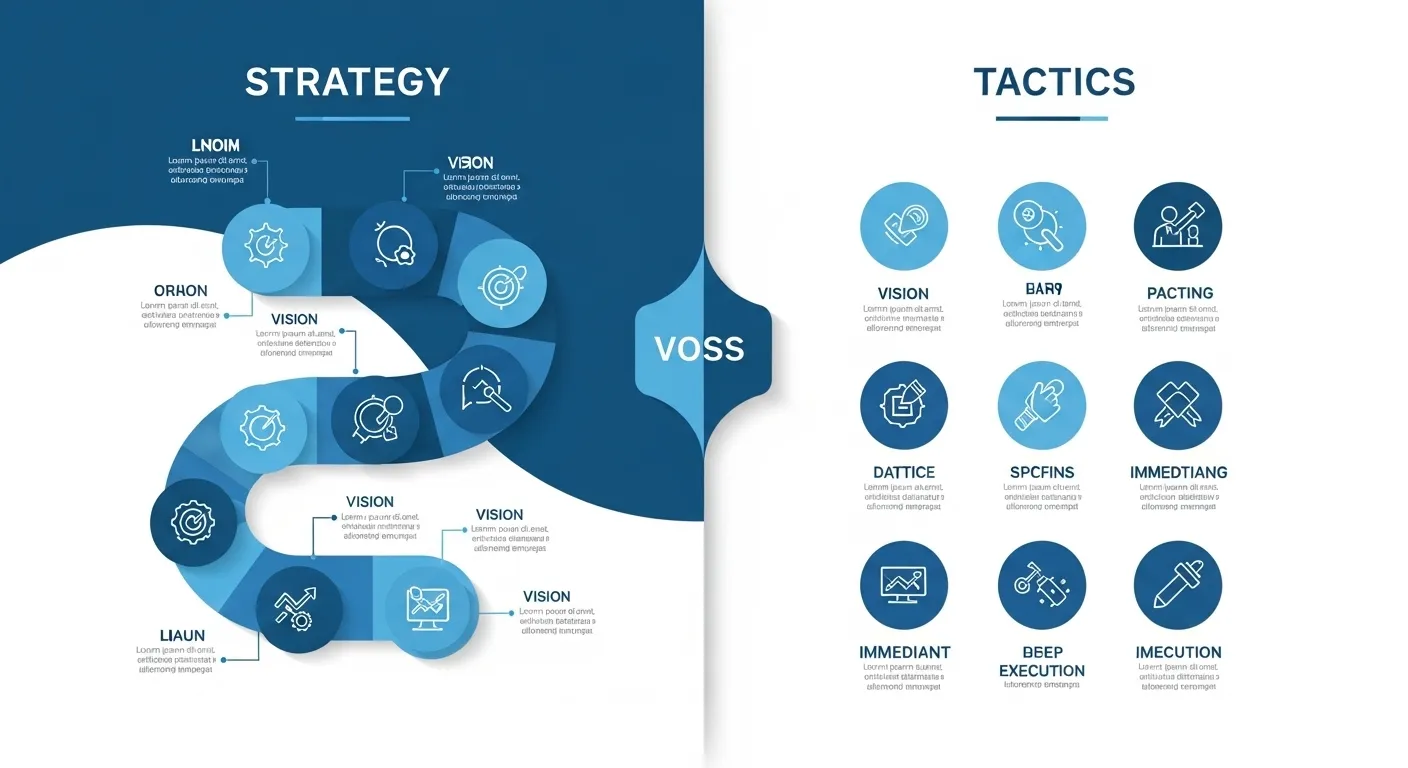
Strategy is long-term planning 🎯 while tactics are short-term actions ⚡ to achieve it.
A football coach once spoke to his team before a big match. He said, “Our strategy is to control the game and score early. Our tactics are short passes and fast movement.” The players understood that the big plan was different from the small actions. This story shows the difference between strategy and tactics.
In simple words, strategy is the overall plan to reach a goal. Tactics are the steps used to carry out that plan. Many people mix these ideas, but knowing the difference between strategy and tactics helps people plan better.
The difference between strategy and tactics is important in business, sports, education, and daily life. When people understand the difference between strategy and tactics, they make smarter decisions and reach goals more easily.
🔑 Key Difference Between the Both
Strategy: A long-term plan to achieve a big goal.
Tactics: Short-term actions used to follow the plan.
🌍 Why Their Difference Is Important for Learners and Experts
Students, managers, leaders, and entrepreneurs need clear planning skills. Strategy helps people see the big picture. Tactics help people take practical steps. When both work together, projects become more successful. In society, good planning improves businesses, sports teams, and organizations.
🔊 Pronunciation
Strategy
- US: /ˈstrætədʒi/
- UK: /ˈstrætədʒi/
Tactics
- US: /ˈtæktɪks/
- UK: /ˈtæktɪks/
Now let us explore the difference between strategy and tactics in detail.
⚖️ Difference Between Strategy and Tactics
1. Meaning
Strategy: The overall plan.
Examples:
- A company planning to enter a new market.
- A sports team planning to win a championship.
Tactics: Specific actions to follow the plan.
Examples:
- Advertising campaigns for the new market.
- Passing techniques during the match.
2. Time Focus
Strategy: Long-term thinking.
Examples:
- A five-year business plan.
- A long-term education goal.
Tactics: Short-term actions.
Examples:
- Weekly marketing activities.
- Daily study schedules.
3. Scope
Strategy: Broad and general.
Examples:
- A plan to expand globally.
- A goal to increase brand awareness.
Tactics: Narrow and detailed.
Examples:
- Social media posts.
- Email campaigns.
4. Purpose
Strategy: Defines the direction.
Examples:
- Deciding to focus on online sales.
- Choosing to build a strong brand image.
Tactics: Carry out the direction.
Examples:
- Creating online ads.
- Designing brand logos.
5. Decision Level
Strategy: Made by leaders or managers.
Examples:
- Company executives planning growth.
- School leaders setting academic goals.
Tactics: Used by teams and workers.
Examples:
- Employees running campaigns.
- Teachers creating lesson activities.
6. Flexibility
Strategy: Changes slowly.
Examples:
- Business mission statements.
- Long-term market plans.
Tactics: Change quickly.
Examples:
- Adjusting marketing posts.
- Changing daily work tasks.
7. Detail Level
Strategy: Less detailed.
Examples:
- “Grow the company internationally.”
- “Improve customer satisfaction.”
Tactics: Highly detailed.
Examples:
- Posting three social media ads daily.
- Responding to customer messages.
8. Role in Planning
Strategy: Guides the whole plan.
Examples:
- Business growth plan.
- Team competition plan.
Tactics: Implement the plan.
Examples:
- Weekly tasks for employees.
- Game moves during a match.
9. Measurement
Strategy: Measured over long time.
Examples:
- Market share growth.
- Long-term profit increase.
Tactics: Measured quickly.
Examples:
- Daily website traffic.
- Number of sales today.
10. Example Situation
Strategy: Winning a market.
Examples:
- Targeting young customers.
- Focusing on online business.
Tactics: Practical steps.
Examples:
- Running online ads.
- Offering discount promotions.
⚙️ Nature and Behaviour of Both
Nature of Strategy
Strategy is visionary and future-focused. It looks at the big goal and guides the direction of actions.
Nature of Tactics
Tactics are practical and action-oriented. They help complete tasks that support the overall strategy.
❓ Why People Confuse Strategy and Tactics
Many people confuse these terms because they both relate to planning. In everyday speech, people often use them interchangeably. However, strategy focuses on the big goal, while tactics focus on the smaller steps.
📊 Difference and Similarity Between Strategy and Tactics
| Feature | Strategy | Tactics | Similarity |
| Focus | Long-term | Short-term | Both help achieve goals |
| Scope | Broad plan | Specific actions | Both part of planning |
| Detail | General | Detailed | Both guide decisions |
| Role | Sets direction | Executes tasks | Both support success |
🎯 Which Is Better in What Situation?
Strategy
Strategy is better when people need long-term planning. Businesses, governments, and organizations rely on strategy to define goals and direction. Strategy helps leaders see the future and prepare for challenges.
Tactics
Tactics are better when people need action and execution. Teams use tactics to complete tasks that support the overall plan. Without tactics, strategies remain only ideas.
🧠 Strategy and Tactics in Metaphors and Similes
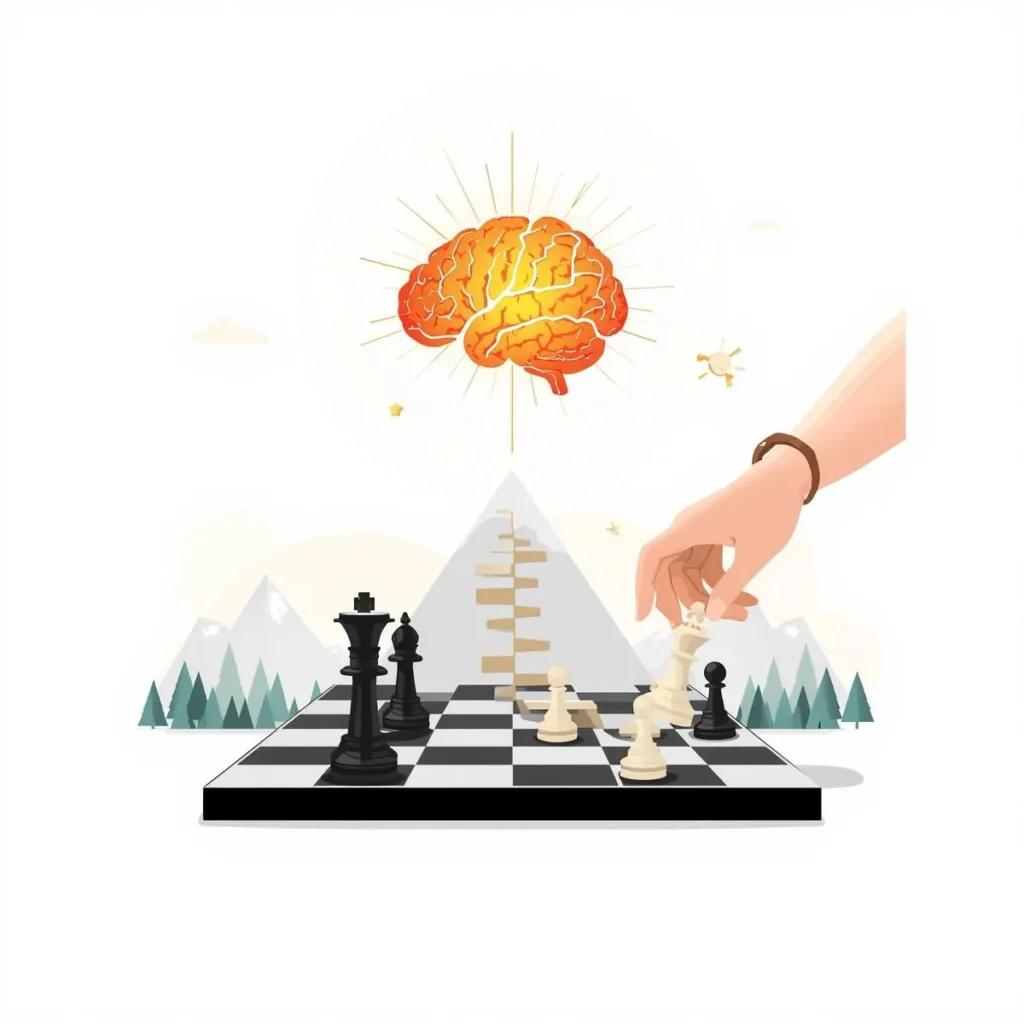
Strategy metaphor
Example:
- Strategy is like a map guiding a traveler.
Tactics metaphor
Example:
- Tactics are like steps taken on the road.
🎭 Connotative Meaning
Strategy
Positive meaning linked with intelligence and planning.
Example:
- The leader created a smart strategy.
Tactics
Neutral or positive meaning related to action.
Example:
- The team used clever tactics.
💬 Idioms or Proverbs Related
“See the big picture.”
Example:
- Good leaders see the big picture when building strategy.
“Take it step by step.”
Example:
- Teams follow tactics step by step.
📚 Works in Literature
- The Art of War — Military strategy book, Sun Tzu, 5th century BC
- On War — Military theory book, Carl von Clausewitz, 1832
- Good Strategy Bad Strategy — Business strategy book, Richard Rumelt, 2011
🎬 Movies Related to Strategy
- Moneyball (2011, USA)
- The Social Network (2010, USA)
- The Imitation Game (2014, UK/USA)
❓ Frequently Asked Questions
1. What is the main difference between strategy and tactics?
Strategy is the big plan, while tactics are the actions used to follow the plan.
2. Which comes first, strategy or tactics?
Strategy usually comes first.
3. Can tactics exist without strategy?
Yes, but they may not lead to clear goals.
4. Are both important for success?
Yes, both are needed for effective planning.
5. Where are these concepts used?
They are used in business, sports, education, and leadership.
🌍 How Strategy and Tactics Are Useful for Surroundings
Strategy and tactics help organizations solve problems and achieve goals. Businesses use them to grow. Governments use them for planning policies. Schools use them for education goals. Together, they improve planning and progress in society.
🏁 Final Words for Both
Strategy represents the big vision and long-term direction.
Tactics represent the daily actions that make the vision real.
Both are essential for success.
🧾 Conclusion
The difference between strategy and tactics lies in planning level and purpose. Strategy focuses on long-term direction and major goals. Tactics focus on the specific actions needed to achieve those goals. Understanding the difference between strategy and tactics helps people plan smarter and act more effectively.
In business, sports, education, and personal life, both elements work together. A strong strategy provides direction, while effective tactics bring the plan to life and lead to success.
Read more about!
Difference Between Christianity and Judaism: A Simple Comparison

I am Logan Brooks, a U.S.-based comparison writer and research-focused content creator. I specialize in explaining the differences between similar concepts in a clear and straightforward way. My content covers a wide range of topics, including science, technology, finance, language, and everyday life.
I enjoy turning complex information into simple comparisons that are quick and easy to understand. My goal is to help readers save time by highlighting the key differences in a clean and easy-to-read format. I believe that learning should be simple, practical, and accessible for everyone.